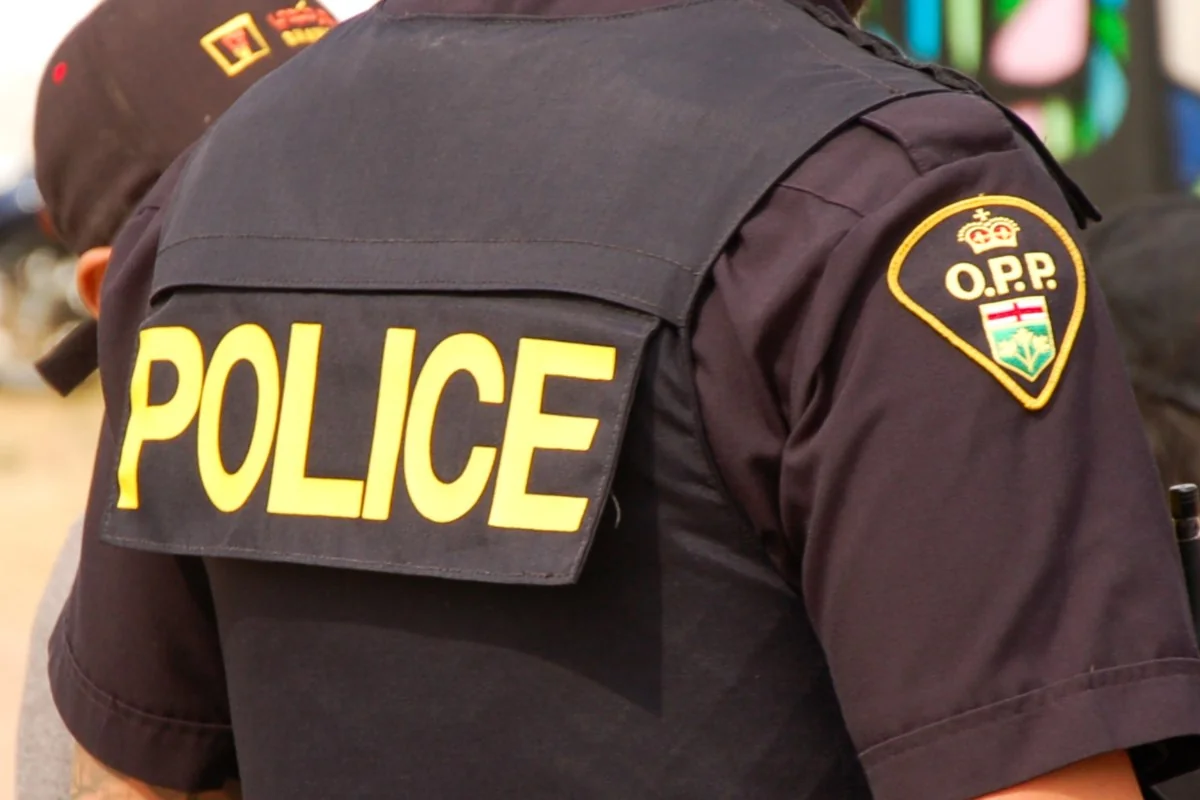
19-Year-Old from Oneida Nation Charged After Assaulting OPP Officer During Disturbance
In the early hours of September 20, 2025, a disturbance at a residence on Elijah Road in the Oneida Nation of the Thames led to significant legal ramifications for a local youth. The Middlesex County Ontario Provincial Police (OPP) were dispatched to the scene at approximately 3:17 a.m. after receiving reports of a disturbance, a situation that has become all too familiar for residents and law enforcement alike.
Upon arriving, officers attempted to place Lydia Elijah-Thomas, a 19-year-old member of the Oneida Nation, under arrest. However, she resisted, resulting in an officer being assaulted during the confrontation. Thankfully, the officer involved sustained no injuries, but the incident underscores the risks that police officers face in the line of duty, especially in community settings where tensions can quickly escalate.
Elijah-Thomas now faces serious charges under the Criminal Code, including:
-
Mischief - destroys or damages property
-
Mischief - renders property dangerous, useless, inoperative, or ineffective
-
Uttering threats to cause death or bodily harm
-
Assaulting a peace officer
These charges reflect not only the severity of the actions taken during the disturbance but also highlight the ongoing issues of public safety and community relations in Ontario’s Indigenous territories. The accused was held for bail following the incident, demonstrating the legal system’s commitment to addressing such disturbances firmly.
This incident raises important questions about community dynamics and the role of law enforcement in Indigenous territories. As Ontario continues to navigate its relationship with First Nations communities, incidents like this serve as a reminder of the complexities at play. It is crucial for both the police and community members to engage in constructive dialogue to foster understanding and cooperation, ensuring that safety and respect are upheld.
The OPP has been actively working to enhance their community policing strategies, aiming to build trust with the residents they serve. As they respond to disturbances, it’s vital for both officers and community members to prioritize safety and de-escalation to prevent situations from turning violent.
As this case moves through the legal system, it will be essential to monitor how it reflects upon broader societal issues and the relationships between Indigenous peoples and law enforcement in Canada. Understanding these incidents can help shape policies that promote safety, respect, and collaboration among all parties involved.
In the meantime, residents of the Oneida Nation of the Thames and surrounding areas are reminded to remain vigilant and report any suspicious activities to the authorities. Community safety relies on the cooperation and proactive efforts of both the police and the public.